Lime plaster and the moving shade of trees on a summer wall
Why a hand-finished wall changes colour through the day.
Author
Sofia Bennett
Reading time
5 min read
Category
Craft
Published

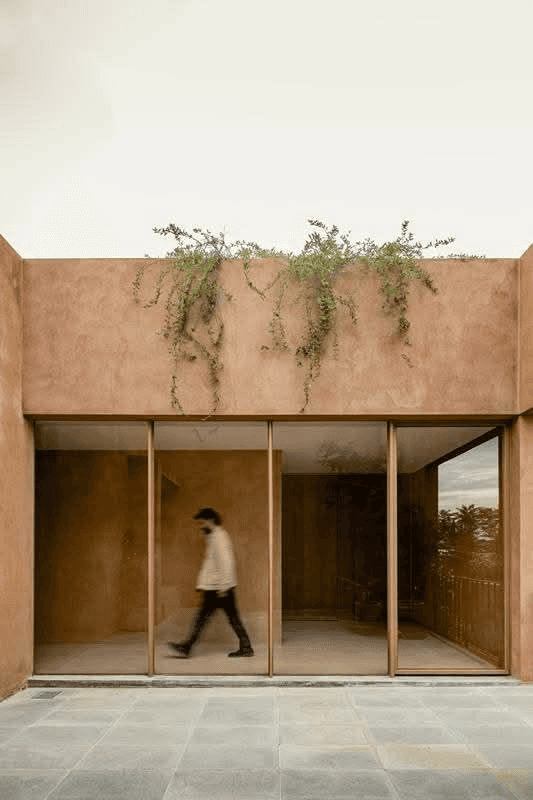
A lime plaster wall is never one colour. In the morning it is almost white, at noon a warm sand, by sunset close to rose. It is the closest thing we know to a material that keeps the time of day.
We specify it in bedrooms, stairwells and anywhere a family will spend slow hours. Paint flattens a room. Lime gives it depth, because light passes a little way into the surface before it comes back out.
Three coats by hand
The plaster goes on in three thin coats, each one pressed with a steel trowel while it is still soft. No two walls come out the same, and no two days on site produce the same finish. Our plasterers sign the last coat in pencil before it dries. It disappears within an hour.
We keep the palette narrow: a natural white, a pale sand and occasionally an earth pigment for a single wall. The variation comes from the trowel, not from the colour card.
Planting for the wall
The other half of the effect is outside. We plan trees with the plaster in mind, choosing species with small leaves that move in a light wind. An olive, a pomegranate or a mulberry will draw on the wall all afternoon.
We do not decorate these rooms. We give the shade somewhere to land.
Lime also breathes, which keeps older brick dry and makes rooms feel fresher on humid days. But clients rarely choose it for the technical reasons. They choose it after standing in front of a finished wall at five in the afternoon.
Words by
Sofia Bennett
Journal
Keep reading
More notes on materials, light and the way we work.


